
-
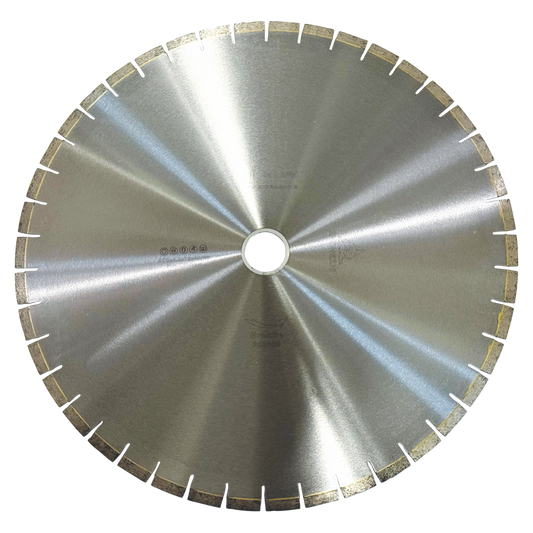
Yuri Zhongzhi 110-600mm Granite & Marble Diamond Saw Blade
Regular price Rs. 0.00Regular priceUnit price per -
Yuri Zhongzhi 105mm Super Thin Turbo Blade, 20mm Bore
Regular price Rs. 0.00Regular priceUnit price per -
Yuri Zhongzhi 105mm Ceramic Diamond Blade, 20mm Bore
Regular price Rs. 0.00Regular priceUnit price per -
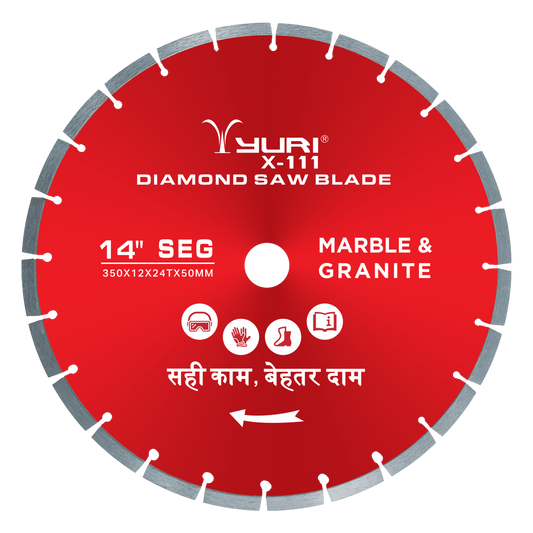
Yuri X-111 350mm 24T Seg Diamond Blade, 50/30mm Bore
Regular price Rs. 0.00Regular priceUnit price per -
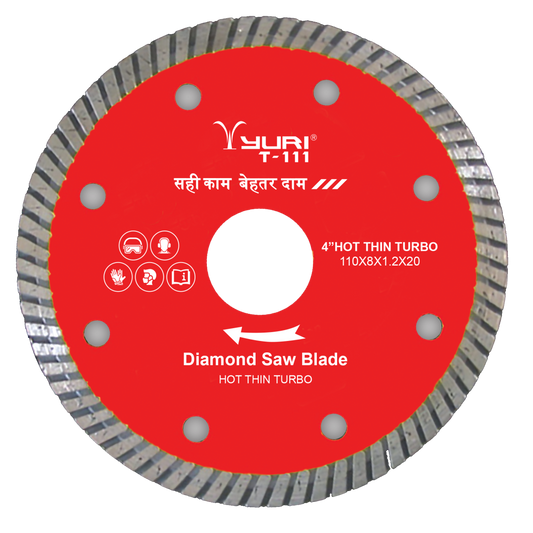
Yuri T-111 110mm Super Thin Turbo Blade, 20mm Bore
Regular price Rs. 0.00Regular priceUnit price per -
Yuri Speed 4-5 Inch TCT Circular Saw Blade, 30T/40T
Regular price Rs. 0.00Regular priceUnit price per -
Yuri Speed 110mm Super Thin Turbo Blade, 20mm Bore
Regular price Rs. 0.00Regular priceUnit price per -
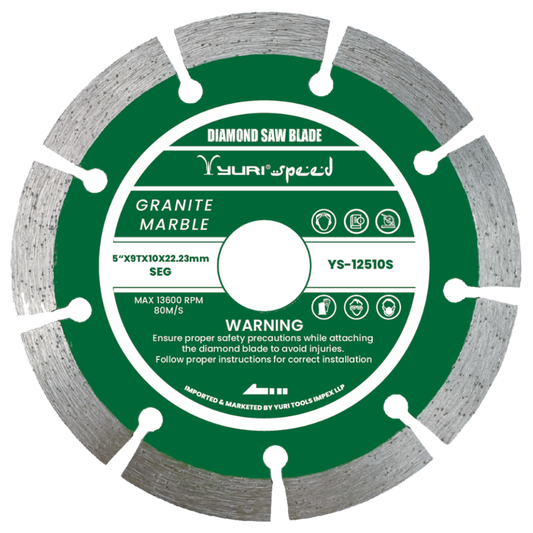
Yuri Speed 110-150mm Diamond Saw Blade for Granite & Marble
Regular price Rs. 0.00Regular priceUnit price per -
Yuri Raftaar 110-250mm Seg Diamond Blade for Marble & Granite
Regular price Rs. 0.00Regular priceUnit price per -
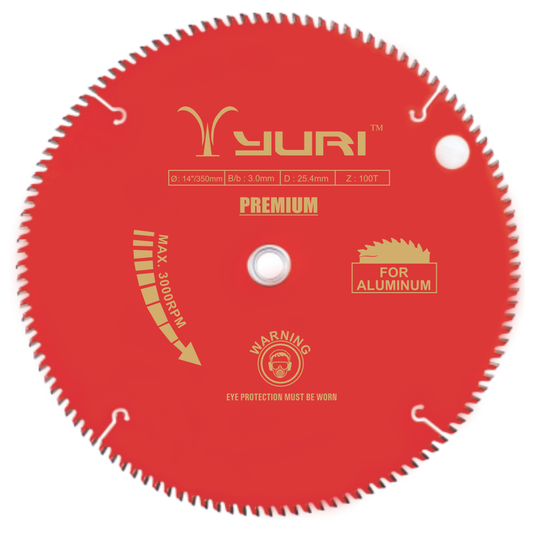
Yuri Professional TCT Aluminium Saw Blade, 250-350mm 100T/120T
Regular price Rs. 0.00Regular priceUnit price per -
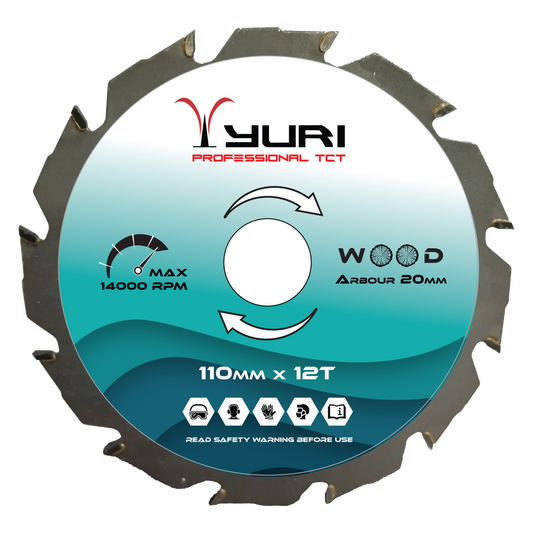
Yuri Professional TCT Wood Saw Blade, 4-14 Inch ATB
Regular price Rs. 0.00Regular priceUnit price per -
Yuri Premium TCT Aluminium Saw Blade for Clean Metal Cuts
Regular price Rs. 0.00Regular priceUnit price per -
Yuri Premium TCT Wood Saw Blade, 4-24 Inch 30T-120T
Regular price Rs. 0.00Regular priceUnit price per -
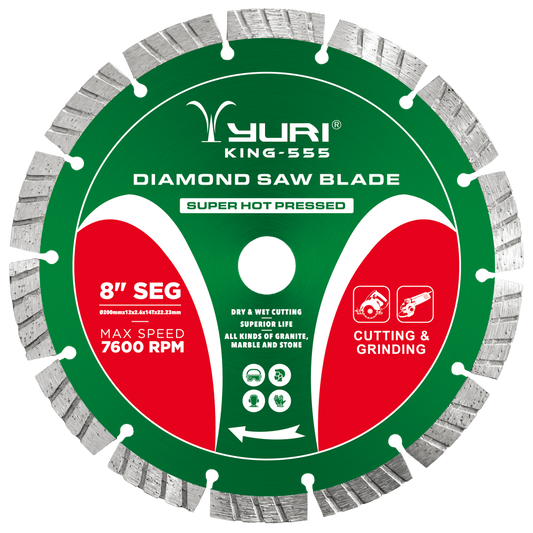
Yuri King 555 110-200mm Seg Diamond Blade for Concrete & Stone
Regular price Rs. 0.00Regular priceUnit price per -
Yuri King 555 Ceramico 110mm 9T U-Slot Blade, 20mm Bore
Regular price Rs. 0.00Regular priceUnit price per -
Yuri Grano-Cut 110mm Super Thin Turbo Blade, 20mm Bore
Regular price Rs. 0.00Regular priceUnit price per









Saw Blades Built for Clean and Reliable Cutting Work
Saw blades are one of those workshop essentials that look simple from the outside, but they make a big difference in the final result. A good blade helps the machine cut smoothly, keeps the edge cleaner, and reduces unnecessary strain on the user. Whether the job involves wood, metal, plastic, boards, pipes, marble, tiles, or site-level cutting work, choosing the right saw blade can save both time and material.
Yuri saw blades are made for users who need practical cutting performance in daily work. The collection supports carpenters, fabricators, contractors, tile workers, furniture makers, repair teams, and industrial users who want dependable blades for different materials. Instead of treating every cutting job the same way, it is better to match the blade with the surface, machine, and finish required. That is where this collection becomes useful.
Why the Right Saw Blade Matters
Many cutting issues start with the wrong blade. The machine may have enough power, but if the blade is not suitable for the material, the cut can become rough, slow, or unsafe. In real working conditions, this can lead to chipped edges, burnt surfaces, blade wear, and extra rework. A properly selected saw blade helps the machine perform closer to its actual capacity.
For example, wood cutting needs a blade that can move through the grain without tearing the surface. Marble and tile cutting need a different edge because these materials are harder and more brittle. Metal cutting needs strength, stability, and proper tooth or edge design. This is why professional users do not rely on one blade for every job. They keep different blades ready based on the work they handle most often.
- Cleaner cuts with less edge damage
- Better control during repeated cutting work
- Reduced load on the cutting machine
- Lower chances of burning, chipping, or blade wobble
- Improved finish quality on wood, stone, metal, and boards
- More predictable performance on job sites and in workshops
Saw Blades for Wood, Boards, and Carpentry Work
Wood cutting is one of the most common uses for saw blades. Furniture makers, carpenters, interior teams, and fabrication units often need blades that can cut plywood, boards, wooden sections, and panels neatly. For smoother results, the blade teeth must suit the material and the finish expected. A rough cutting blade may finish the job quickly, but it can leave edges that need more sanding or correction later. TCT circular saw blade options are especially useful where users want better edge life and cleaner cutting in wood-based applications.
A carbide tipped saw blade is commonly preferred for regular wood and board cutting because the tips are designed to stay sharper for longer than ordinary blades. This is helpful in workshops where the machine is used throughout the day. For carpentry, modular furniture, shuttering, and interior installation work, blade selection should depend on the thickness of the board, machine speed, and type of finish required.
Users should also check whether they need faster rough cutting or cleaner finish cutting. A blade chosen only by size may not give the best result. Tooth design, material compatibility, and machine fit are equally important.
Saw Blades for Stone, Marble, and Tile Cutting
Stone and tile jobs need a blade that can handle hard surfaces without causing too much chipping. A marble cutting blade is different from a normal wood blade because it is built for dense, brittle surfaces. For users working on marble, granite, tiles, or similar materials, choosing the correct diamond saw blade can make the cutting process smoother and more controlled.
Diamond cutting blade options are commonly used in construction, tile fitting, stone work, and renovation projects because they are designed to cut hard materials with better stability. The goal is not just to cut through the surface, but to do it with less breakage and less wastage. This matters a lot when the material is costly or when the visible finish has to look neat.
Before using a blade on marble or tile, users should check the machine size, blade diameter, RPM rating, and cutting method. Some jobs may need dry cutting, while others may be better with controlled cooling or dust handling. The right setup helps protect both the blade and the material.
Hole Cutting and Special Application Saw Blades
Not every cutting job is a straight cut. Electricians, plumbers, installers, and maintenance teams often need clean circular holes for fittings, pipes, boards, panels, and fixtures. In those cases, a hole saw cutter is a more suitable choice than a regular blade. It helps create round openings with better shape and less unnecessary cutting around the marked area.
A heavy duty hole saw is useful when the work involves repeated hole making in tougher materials or thicker boards. The right hole saw can make installation work faster, especially when the same type of hole has to be created again and again. This is common in electrical fitting, plumbing lines, cabinet work, fabrication panels, and maintenance jobs.
For better results, users should match the hole saw size with the required hole diameter and use it with the correct machine. Forcing the cutter too hard can damage the teeth, heat the tool, and reduce the life of the accessory. Letting the cutter work steadily usually gives a cleaner result.
Choosing the Right Saw Blade for the Job
| Work Type | Recommended Blade Focus | What to Check Before Use |
|---|---|---|
| Wood and board cutting | Tooth design and clean edge finish | Blade size, tooth count, machine speed |
| Marble and tile cutting | Hard surface cutting strength | RPM rating, material thickness, dust control |
| Hole cutting work | Accurate round cutting | Required hole diameter and cutter depth |
| Workshop cutting | Durability and repeat-use performance | Material type and daily workload |
| Site cutting | Stability and safe handling | Machine condition and blade fit |
How Professionals Select Saw Blades
Professional users usually do not pick a blade only by price. They look at the material, cut quality, tool compatibility, and expected workload. A cheaper blade may look attractive at first, but if it wears quickly or gives poor finish, it can increase the total cost of work. The better approach is to select a blade that matches the actual job.
For regular cutting, durability matters. For visible surfaces, finish quality matters. For hard materials, blade construction matters. For repeated work, heat control and edge life matter. When these points are checked before purchase, the blade performs better and the user avoids unnecessary delays during work.
Yuri saw blades are suitable for users who want dependable cutting accessories for everyday jobs. They are useful for workshops, contractors, carpenters, installation teams, construction workers, and repair professionals who need practical cutting support across different materials.
- Check the blade diameter and bore size before fitting.
- Use the blade only on suitable materials.
- Do not use a damaged, bent, or cracked blade.
- Allow the blade to reach proper speed before starting the cut.
- Avoid forcing the blade through the material.
- Store blades properly to protect the teeth or cutting edge.
Applications of Yuri Saw Blades
Yuri saw blades can be used in many common work areas. Carpenters use them for boards, panels, and wood sections. Construction and renovation teams use different cutting blades for stone, tile, and hard surfaces. Electricians and plumbers often need hole cutting accessories for fittings and service lines. Workshops use saw blades for repeated cutting, repair, and fabrication support.
The main benefit of having the right saw blade range is that users can prepare for different jobs without depending on one general-purpose accessory for everything. This improves cutting quality and also helps protect the machine from unnecessary load.
For users handling cutting and fabrication work regularly, a reliable cutting tool setup becomes even more effective when paired with the right blade for each material and application.
Safety and Maintenance Tips
Saw blades should always be handled carefully. Even a good blade can become unsafe if it is used on the wrong machine, fitted incorrectly, or pushed beyond its capacity. Before starting the work, check the blade condition, machine guard, rotation direction, and RPM rating. This small habit can prevent many common cutting problems.
Keep blades clean after use and avoid leaving them loose in a toolbox where the teeth can get damaged. If the blade starts cutting slowly, making unusual noise, vibrating, or leaving rough marks, it may need cleaning, sharpening, or replacement depending on the blade type.
FAQs
Which saw blade is best for wood cutting?
For wood and board cutting, choose a blade designed for clean cuts and proper tooth support. A carbide tipped saw blade is often preferred for regular woodwork because it offers better edge life.
Can one saw blade cut every material?
No. Different materials need different blade designs. A blade made for wood should not be used for marble, tile, or metal unless it is specifically designed for that purpose.
What is a diamond cutting blade used for?
A diamond cutting blade is used for hard materials like marble, tile, stone, and similar surfaces where normal blades may wear quickly or damage the material.
When should I replace a saw blade?
Replace the blade if it is cracked, bent, missing teeth, cutting slowly, vibrating, or leaving poor-quality cuts even when used correctly.
Why is blade size important?
Blade size affects machine compatibility, cutting depth, and safety. Always use the blade size recommended for your machine and application.
Explore Yuri Saw Blades
Yuri saw blades are built for users who want reliable cutting accessories for daily workshop, construction, carpentry, repair, and installation work. Whether the task involves straight cutting, stone cutting, wood cutting, or circular hole cutting, choosing the right blade helps improve speed, finish, and control.
For professionals who work with different materials, this collection gives practical options to match the blade with the job instead of depending on one blade for every surface. That makes the work cleaner, safer, and easier to manage.