
-
Yuri Greenline Felt Wheel
Regular price Rs. 0.00Regular priceUnit price per
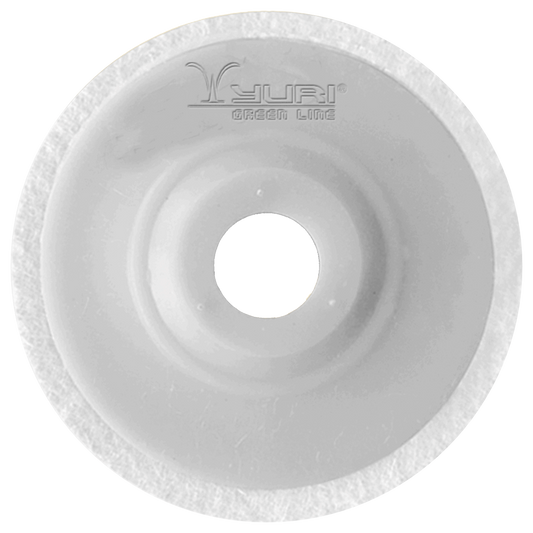
Felt Wheels for Smooth Polishing, Buffing, and Surface Finishing
Felt wheels may look simple, but they play a very important role in finishing work. After cutting, grinding, shaping, or sanding, most surfaces still need a cleaner final touch. A felt wheel helps bring that smoothness, shine, and neat finish that workers often need before handing over the job.
The Yuri Felt Wheel collection is made for users who work on polishing, buffing, cleaning, and final surface finishing. These wheels are useful in workshops, fabrication units, tool rooms, metal polishing work, glass work, automotive repair, jewellery-related work, and small maintenance jobs where the final look of the surface matters.
A felt wheel is not usually the first tool used in a job. It comes in when the main cutting or grinding work is already done and the surface needs finishing. That is why choosing a good felt wheel matters. A poor-quality wheel can wear out quickly, leave an uneven finish, or make the user spend more time than needed. A good felt wheel, used with the right polishing compound and machine speed, can make finishing work smoother and more controlled.
Why Felt Wheels Are Useful in Workshop Finishing
In many Indian workshops, the same part may pass through cutting, grinding, filing, sanding, and polishing before it is ready. Felt wheels are useful in the final stage because they help remove dullness and improve the surface appearance. They are commonly used where a cleaner finish is needed on metal, stainless steel, aluminium, brass, glass, stone, plastic, or other polishable surfaces.
The main benefit of felt wheels is control. They allow the user to polish selected areas without removing too much material. This is helpful when the surface already has the right shape and only needs buffing or shine. For small parts, edges, tools, fittings, decorative items, and repair pieces, this kind of control makes a real difference.
Felt wheels are also preferred because they can work with different polishing compounds. Depending on the surface and the finish required, users can apply suitable compounds to get a cleaner, brighter, or smoother result. This makes them useful for both regular finishing work and more careful polishing jobs.
A Yuri felt wheel can be used for:
- Buffing metal parts after grinding or sanding
- Polishing stainless steel, aluminium, brass, and similar surfaces
- Improving shine on small workshop components
- Cleaning minor marks from suitable surfaces
- Finishing edges after shaping work
- Polishing tools, fittings, and decorative parts
- Supporting final finishing in repair and maintenance jobs
Why Choose Yuri Felt Wheels
Finishing work is often judged by what the customer sees first. Even if the cutting and shaping are done properly, a rough or dull final surface can make the work look incomplete. Yuri felt wheels are designed for users who want a smoother finishing process without making the job unnecessarily difficult.
These felt wheels are suitable for everyday workshop use where workers need stable performance, practical handling, and dependable polishing support. They can be used with compatible machines and compounds for different surface finishing tasks. The goal is simple: help the user get a cleaner finish with better control.
For many workshops, felt wheels are part of a wider abrasive and finishing setup. A worker may first shape or grind a surface, then use finer abrasives, and finally use a felt wheel for polishing. This step-by-step method gives better results than trying to polish a rough surface directly.
- Useful for smooth polishing and buffing work
- Suitable for metal, glass, plastic, and other compatible surfaces
- Helpful for final finishing after grinding or sanding
- Practical for workshops, repair teams, and fabrication units
- Supports controlled polishing with suitable compounds
- Useful for both small parts and general finishing work
How Felt Wheels Fit into a Complete Abrasive Setup
A felt wheel works best when it is used at the right stage of the process. If the surface still has heavy burrs, sharp marks, or uneven grinding lines, the user should first prepare the surface properly. In many metalworking jobs, workers use DC Wheels for heavier grinding or cutting-related work before moving towards finer finishing. Once the surface is closer to the required shape, felt wheels can help improve the final polish.
For precision grinding and cleaner surface preparation, many workshops also use WA Wheels where the job needs a more controlled abrasive action before polishing. This is especially useful when the surface should not be treated too aggressively. After that, a felt wheel can be used with the right compound to bring out a smoother finish.
For some applications, users may also keep GC Wheels in their abrasive setup, especially where the material or finishing requirement calls for a different grinding wheel choice. A felt wheel then completes the final stage by helping the surface look cleaner and more refined.
Choosing the Right Felt Wheel for Your Work
The right felt wheel depends on the surface, the machine, the polishing compound, and the finish you want. For small parts and detailed polishing, a suitable size and thickness give better control. For wider surfaces, a larger wheel may help cover more area, but the user must still keep the pressure balanced.
Wheel hardness also matters. A harder felt wheel can give better control on flat or shaped surfaces, while a softer wheel may be useful where gentle buffing is needed. The choice depends on the material and how much finishing is required. If the surface is delicate, start carefully and avoid heavy pressure.
Machine speed should also be considered. Too much speed can heat the surface or wear the wheel faster. Too little speed may not give the expected polishing result. For best performance, use the wheel within the recommended operating range and avoid forcing it into the material.
Quick Selection Guide
| Work Type | What to Check | Practical Tip |
|---|---|---|
| Metal polishing | Wheel size, compound, and machine speed | Prepare the surface before final buffing. |
| Small parts and fittings | Control and wheel thickness | Use light pressure for neat finishing. |
| Glass or delicate surfaces | Gentle handling and suitable compound | Test on a small area if possible. |
| Workshop maintenance | Durability and compatibility | Keep wheels clean and dry after use. |
Applications of Yuri Felt Wheels
Yuri felt wheels can be used in different industries and workshops where surface finishing is part of the job. In metal workshops, they help improve the shine of components after basic shaping work is completed. In fabrication units, they are useful for small finishing areas that need a cleaner look after grinding or sanding.
Automotive repair shops can use felt wheels for polishing suitable metal parts, small fittings, and repair components. Tool rooms and maintenance teams may use them for cleaning and finishing parts during repair work. For decorative and precision work, felt wheels are useful because they offer better control than rougher abrasive products.
They are also helpful in jobs where appearance matters, not only function. A smoother surface can make a finished part look more professional. That is why felt wheels are often used at the last stage, when the worker wants the job to look complete and well handled.
- Metal polishing and buffing
- Stainless steel and aluminium finishing
- Small component polishing
- Automotive repair and maintenance
- Fabrication finishing work
- Tool room and workshop cleaning tasks
- Decorative item polishing
- Final surface preparation after sanding
Who Can Use Yuri Felt Wheels?
- Fabrication workshops
- Metal polishing units
- Automotive repair shops
- Maintenance teams
- Tool rooms
- Small manufacturing units
- Glass and decorative work users
- DIY and home repair users
Safety and Maintenance Tips
Felt wheels should always be used with care, even though they are used for finishing rather than aggressive cutting. The wheel should be fitted properly before use, and the machine should be checked for stable operation. Do not use a damaged or uneven wheel, as it may affect the finish and create safety risks.
Use the right polishing compound for the surface. Too much compound can make the work messy, while too little may not give the required result. Apply light and even pressure. Let the wheel do the work instead of pressing too hard. Heavy pressure can heat the surface, reduce control, and shorten wheel life.
After use, store felt wheels in a clean and dry place. Avoid keeping them in dusty or oily areas because dirt can affect polishing quality. If one wheel is used with a specific compound, it is better to keep it for that compound only instead of mixing different compounds on the same wheel.
- Wear safety glasses and gloves while polishing
- Fit the felt wheel properly before starting the machine
- Use only compatible polishing compounds
- Do not apply too much pressure
- Avoid using damaged or unbalanced wheels
- Keep the wheel clean after use
- Store felt wheels in a dry place
- Use a separate wheel for different compounds when possible
FAQs
What is a felt wheel used for?
A felt wheel is mainly used for polishing, buffing, and final surface finishing. It helps improve shine and smoothness after the surface has already been shaped, sanded, or cleaned.
Can felt wheels be used on metal?
Yes, felt wheels are commonly used on metal surfaces such as stainless steel, aluminium, brass, and other compatible materials when used with the right polishing compound.
Do I need polishing compound with a felt wheel?
In most polishing jobs, yes. A felt wheel works better when paired with a suitable polishing compound because the compound helps create the required shine or finish.
Can I use the same felt wheel for different compounds?
It is better to avoid mixing compounds on the same wheel. Using separate wheels for different compounds helps keep the finish cleaner and more consistent.
Is a felt wheel suitable for heavy grinding?
No, felt wheels are made for finishing and polishing, not heavy grinding. If the surface is rough, it should first be prepared with the right abrasive tool before using a felt wheel.
Explore Yuri Felt Wheels
Yuri felt wheels are made for users who want a smooth and clean finish after the main work is done. They are useful for polishing, buffing, cleaning, and final surface finishing across workshop, fabrication, repair, and maintenance jobs.
For users who care about the final look of the workpiece, a felt wheel is a small but important part of the process. It helps turn a prepared surface into a finished surface. Whether you work with metal parts, fittings, tools, decorative items, or repair components, Yuri felt wheels offer practical finishing support for everyday use.